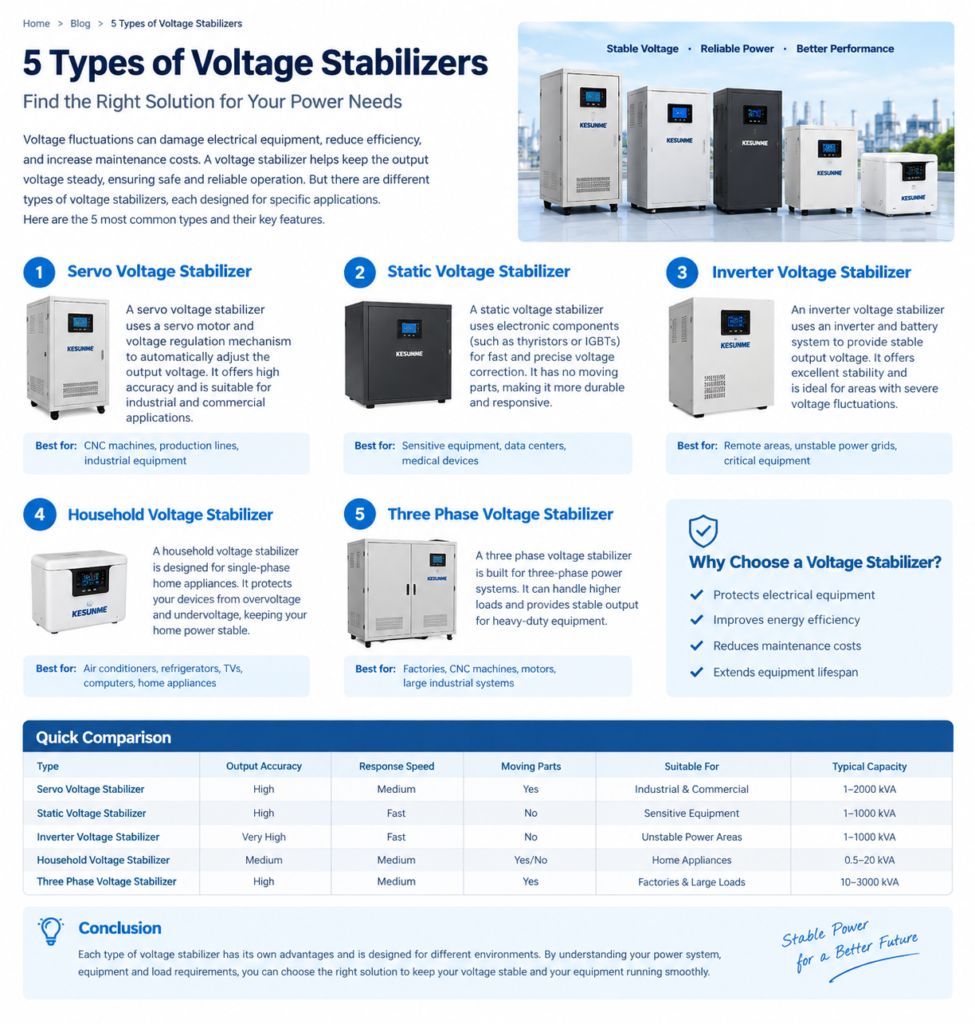
Voltage fluctuations can affect electrical equipment, reduce performance, and increase maintenance costs. A voltage stabilizer maintains a stable output voltage and provides reliable power for different equipment.
Voltage stabilizers come in several types, each designed for different applications. Here are five common types you should know.
1. Estabilizador de voltaje servo
A Estabilizador de voltaje servo uses a servo motor and a regulating transformer to automatically correct input voltage fluctuations.
It is widely used in factories, CNC machines, production lines, and commercial equipment where stable voltage is important.
Best for: Industrial and commercial applications.
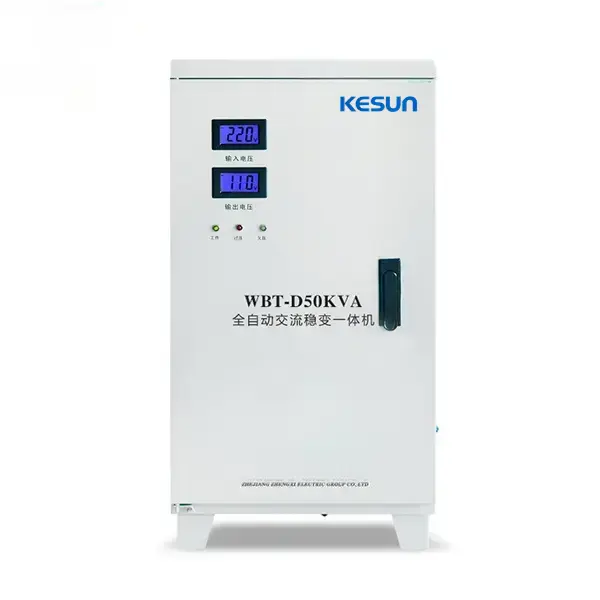
2. Estabilizador de voltaje estático
A Estabilizador de voltaje estático uses electronic components such as IGBTs or thyristors to regulate voltage without mechanical moving parts.
It provides fast voltage correction and is suitable for sensitive equipment that requires high voltage accuracy.
Best for: Medical equipment, data centers, automation systems, and sensitive electronics.
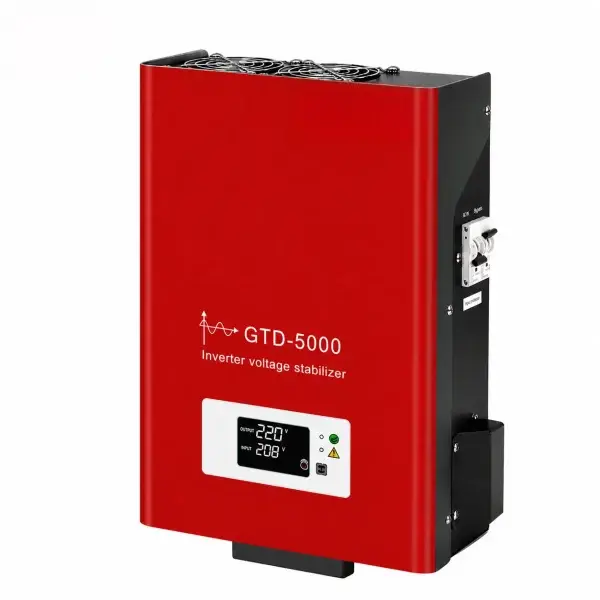
3. Dispositivo estabilizador de voltaje invertido
An Dispositivo estabilizador de voltaje invertido uses power electronic technology to provide fast and precise voltage regulation.
It is suitable for applications where voltage fluctuations are frequent and stable power is critical.
Best for: Sensitive electronic equipment, industrial systems, and areas with unstable power grids.
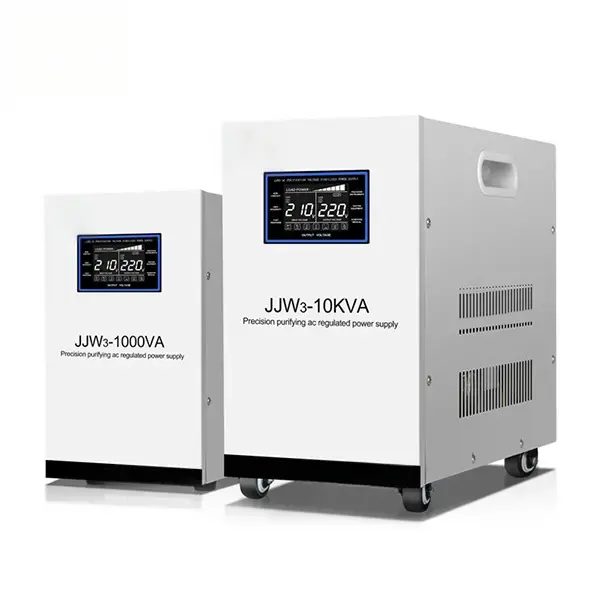
4. Dispositivo estabilizador de tensión doméstica
A Dispositivo estabilizador de tensión doméstica is designed to protect home appliances from overvoltage, undervoltage, and voltage fluctuations.
Common applications include air conditioners, refrigerators, televisions, computers, and other household appliances.
Best for: Homes and small offices.

5. Estabilizador de voltaje trifásico
A three-phase voltage stabilizer is designed for three-phase electrical systems and is commonly used for high-power industrial equipment.
It can provide stable voltage for CNC machines, motors, production lines, elevators, and factory equipment.
Best for: Factories, industrial machinery, and large electrical loads.
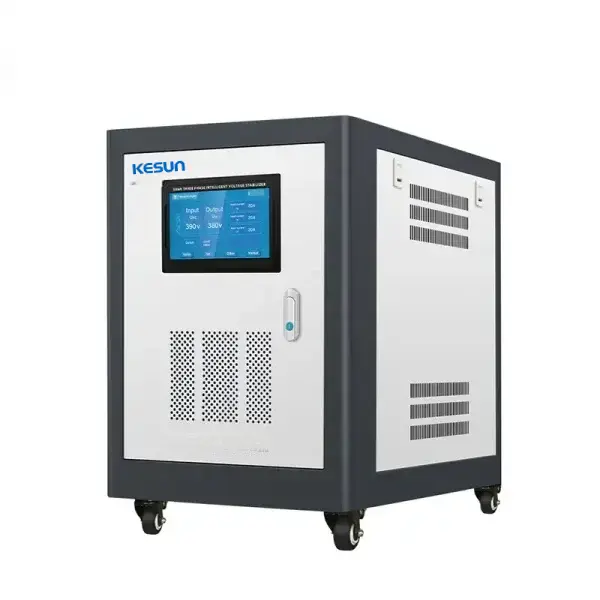
Voltage Stabilizer Comparison
| Type | Main Technology | Response | Typical Application |
|---|---|---|---|
| Estabilizador de voltaje servo | Servo motor | Medium | Factory, CNC, industry |
| Estabilizador de voltaje estático | Electronic components | Fast | Sensitive equipment |
| Dispositivo estabilizador de voltaje invertido | Inverter technology | Very fast | Critical equipment |
| Dispositivo estabilizador de tensión doméstica | Automatic regulation | Medium | Home appliances |
| Dispositivo estabilizador de tensión trifásico | Servo/electronic | Fast | Industrial equipment |
Which Voltage Stabilizer Should You Choose?
The right voltage stabilizer depends on your equipment, power system, voltage fluctuation range, and required capacity.
For homes, a Dispositivo estabilizador de tensión doméstica is usually suitable. For factories and three-phase equipment, a Estabilizador de voltaje trifásico is a better choice. For sensitive equipment requiring fast correction, a Estabilizador de voltaje estático or Dispositivo estabilizador de voltaje invertido may be more suitable.
For general industrial applications, a Estabilizador de voltaje servo remains a popular and reliable solution.
Conclusion
Understanding the different Types of Voltage Stabilizers makes it easier to select the right solution for your application. Whether you need voltage protection for home appliances or stable power for industrial machinery, choosing the correct stabilizer can improve equipment reliability and power quality.
Frequently Asked Questions
¿Cuáles son los principales tipos de estabilizadores de voltaje?
The five common types are Servo Voltage Stabilizers, Static Voltage Stabilizers, Inverter Voltage Stabilizers, Household Voltage Stabilizers, and Three-Phase Voltage Stabilizers.
Which voltage stabilizer is best for factories?
A three-phase voltage stabilizer or a servo voltage stabilizer is commonly used for factories and industrial equipment, depending on the load and voltage requirements.